

If you’ve ever wondered, is PR worth it? I get why.
My friend Kristina Bartold, founder of High Vibe Women, genuinely thought PR might be a scam when we first started working together. She had already hired someone before to help get more media attention for her business and was basically told there wasn’t enough of a story there to get coverage.
Which is a pretty brutal thing to hear when you’ve just paid someone to help you get noticed.
And honestly, I kind of agreed with her.
Not that PR itself is a scam. But it can absolutely feel like one when nobody explains what PR is supposed to do, how long it can take or what you need to do with an opportunity once you get it.
The placement is not the strategy. It’s one part of it.
Listen to the full Fame Ready podcast episode: Is PR a Scam? What Actually Gets You Noticed.
PR Is Bigger Than Getting Featured in Forbes
When most people think about PR, their brain immediately goes to the big names.
Forbes. Vogue. Maybe a major TV segment.
And yes, those opportunities can be amazing. But waiting around for your dream publication to discover you, especially when you haven’t built any media experience or relationships yet, makes PR much harder than it needs to be.
One of the biggest things Kristina learned when we started working together was that PR is really relationship building.
We built a story pitch. She started reaching out. She followed up. She got nos. She got “not right now.” And she started getting responses from outlets that weren’t ready to cover High Vibe Women yet, but now knew who Kristina was.
At one point, someone from CBC replied to say they had too much to cover, but encouraged her to keep emailing.
I told her that was a win.
Because the next time she has the right story at the right time, she isn’t starting from zero. That is why I’m such a big believer in business owners learning how to pitch themselves.
Because when you build relationships with journalists, you keep the relationships.
The PR Placement Is Not the ROI
This is probably the biggest misconception I see. Someone gets featured, shares it once with a “so honoured and grateful” caption and then waits for the sales to start rolling in.
Please don’t do that.
A media feature is not the finished result. It’s an asset. Put it on your website. Share it on social. Include it in an email. Reference it in a partnership pitch.
Because even if you land an incredible feature, a huge part of your audience will probably never see it unless you actually tell them about it.
That is where the return starts to compound. The article gives you third-party credibility and another credible place for people to find your name and expertise online.
One feature. So many different visibility opportunities.
The question shouldn’t only be, “Did I get featured?” It should be, “What am I going to do with it?”

Paid PR Isn’t Automatically Bad PR
We also need to talk about paid PR because this is where things can get murky very quickly.
Yes, paid media opportunities exist. I’ve used them.
I’ve supported clients with them. And I actually like paid PR when it has a job to do.
The problem isn’t paying for an opportunity. The problem is paying thousands of dollars because a logo looks impressive, then having no plan for what happens next.
I’ve made that mistake before too. Someone says, “I want to be featured here. How much does it cost?” You make it happen, they get the article and then… nothing.
That isn’t enough.
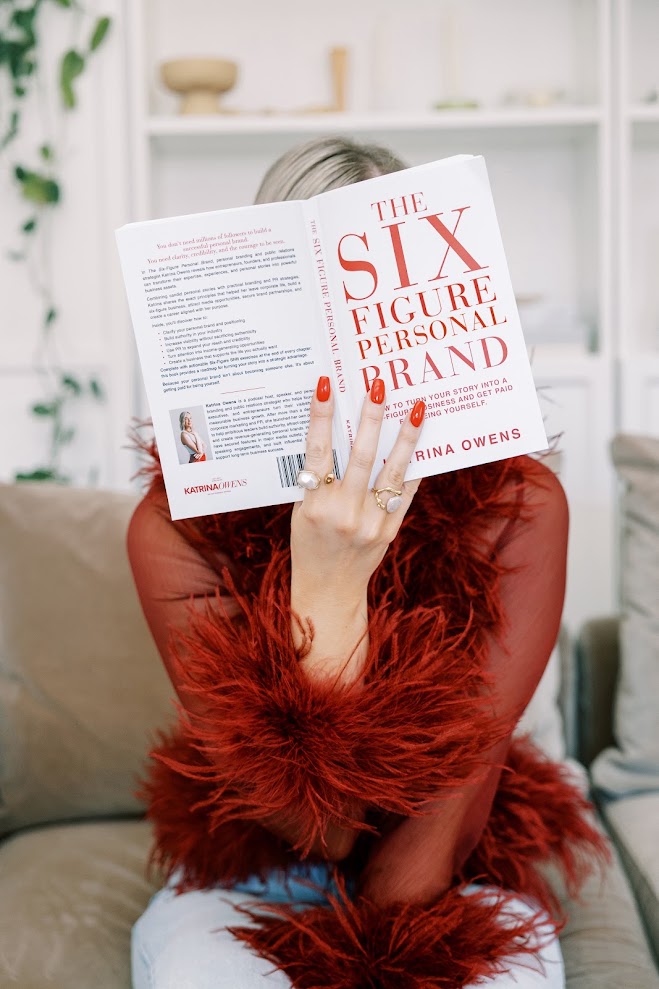
During my Six Figure Personal Brand book tour, I used speaking engagements, events, content and PR to build awareness around the book.
The goal was for people to keep seeing the book, hearing the name and associating The Six Figure Personal Brand with me.
Because one article followed by six months of silence is not a campaign. An article, a podcast interview, an event and social content all reinforcing the same message?
Now we’re building something.
And that is what I mean by compounding visibility.
PR Works Better When You Already Have a Story
There’s another part of this conversation that gets skipped. PR amplifies a story. It cannot create the entire story for you.
I have people come to me wanting to pitch themselves to podcasts, land speaking engagements or get featured in media and sometimes I have to stop them and say.. we need to work on the personal brand first.
What do you actually want to be known for?
What do you believe?
What is the bigger mission behind the work?
The “famous people shit,” as I like to call it. PR works best when it gives people another reason to believe the story you are already telling.
So, Is PR Worth It?
Yes, I believe PR is worth it. But probably not in the way a lot of people are sold it.
If you are paying for one placement and expecting it to immediately generate thousands of dollars in sales, you might be disappointed. But if you are using PR to build credibility, relationships, authority and repeated visibility around a clear message, that is a very different strategy.
Start with the opportunities that make sense for where you are now. Build the relationships. Follow up when the first answer is no.
And when you do get a great piece of placement, please actually do something with it. Share it. Talk about it. Put it on the website. Add it to the email. Let your audience celebrate it with you.
PR is not about collecting logos. It is about building a story, getting other people to validate that story and then making sure the right people actually see it.
That is when PR starts to feel a lot less like a scam and a lot more like one of the most useful visibility tools you can build into your business.
If you’re curious. my Five Weeks Still Famous course is back for 2026 which breaks down how to build your own visibility and grow your personal brand.
